Truth and Reconciliation
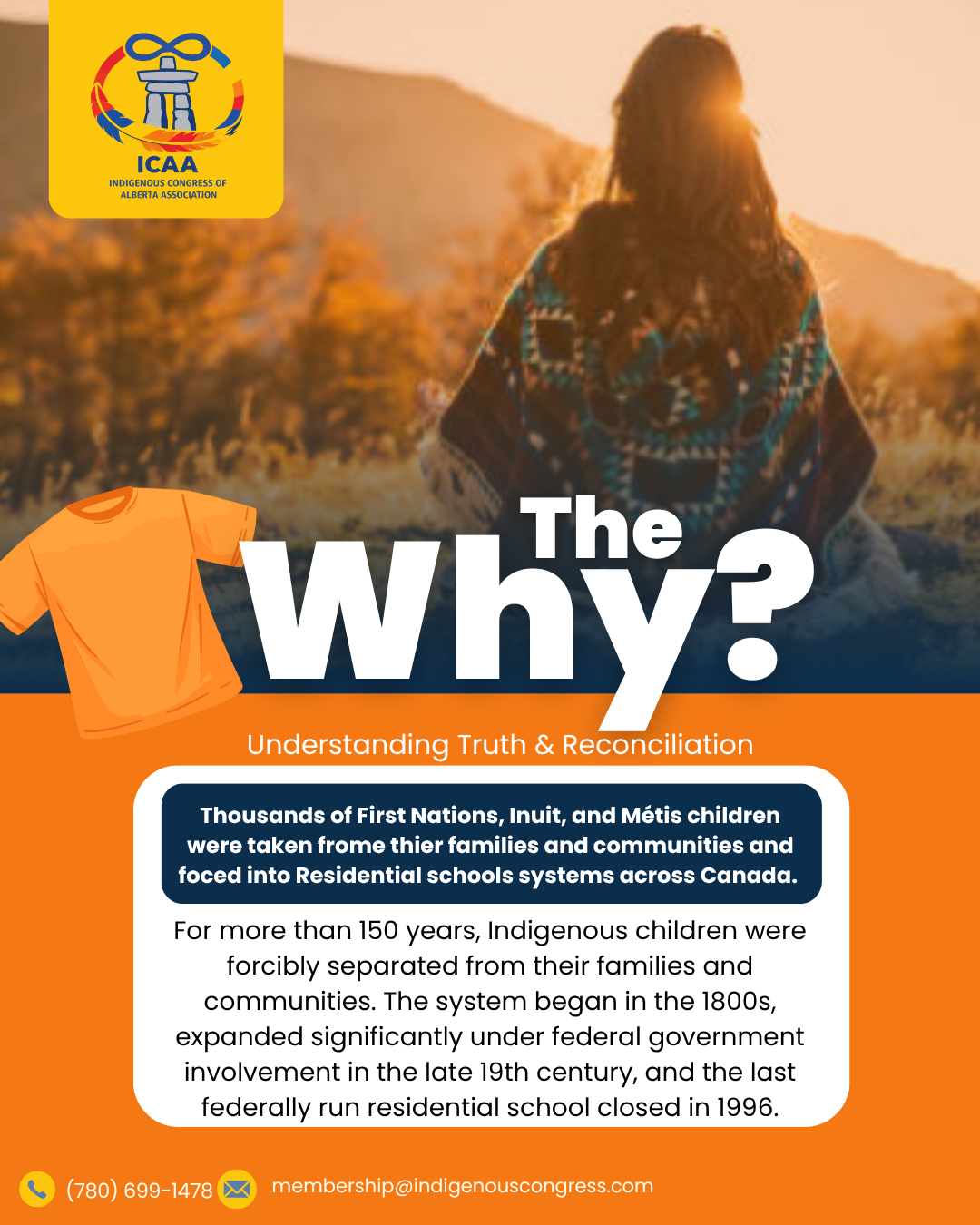
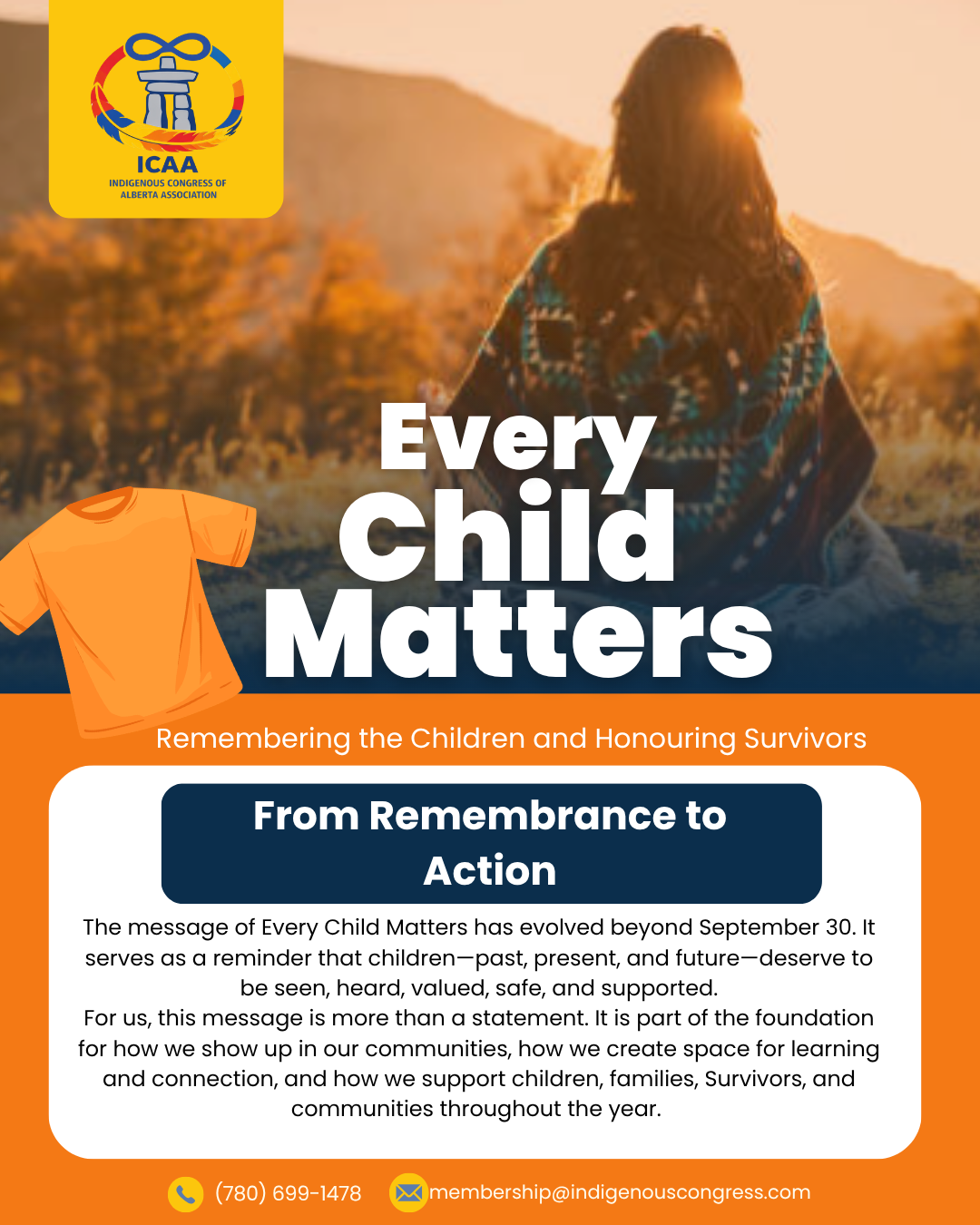
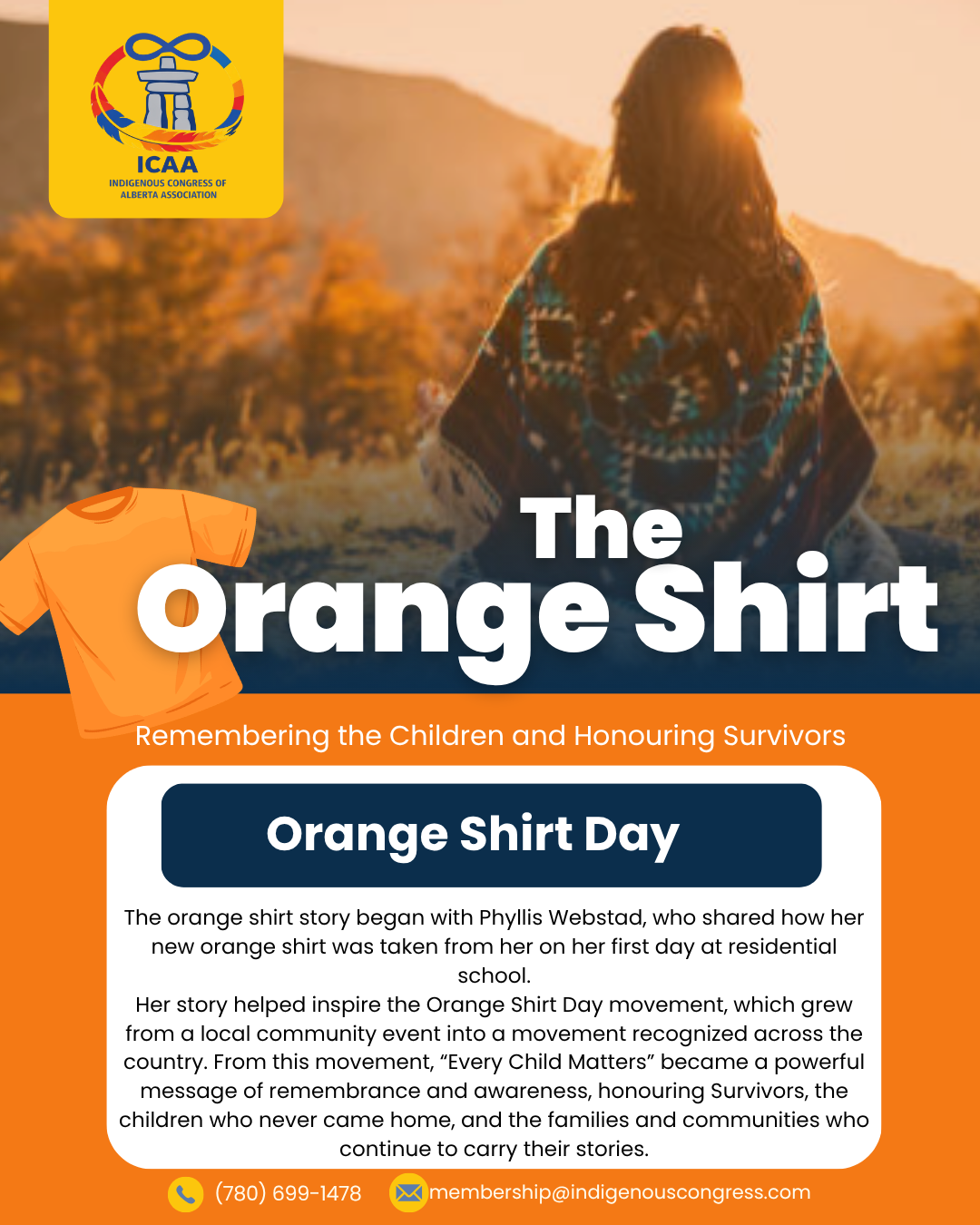
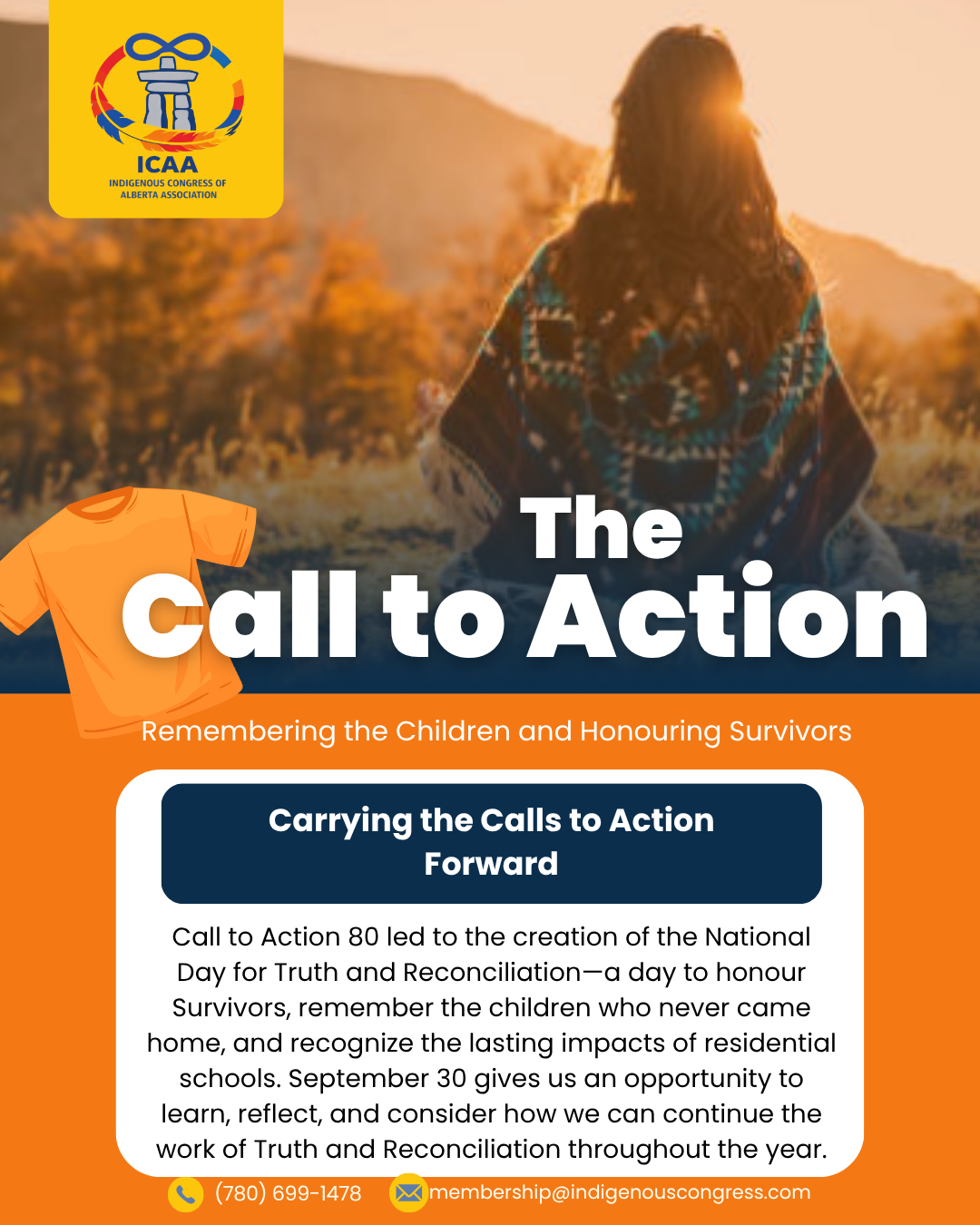
Truth and Reconciliation is an important part of understanding Canada’s history and the experiences of First Nations, Inuit, and Métis Peoples. It asks us to acknowledge the harms caused by colonial policies and the residential school system, honour the Survivors and the children who never came home, and recognize the lasting impacts carried by families and communities.
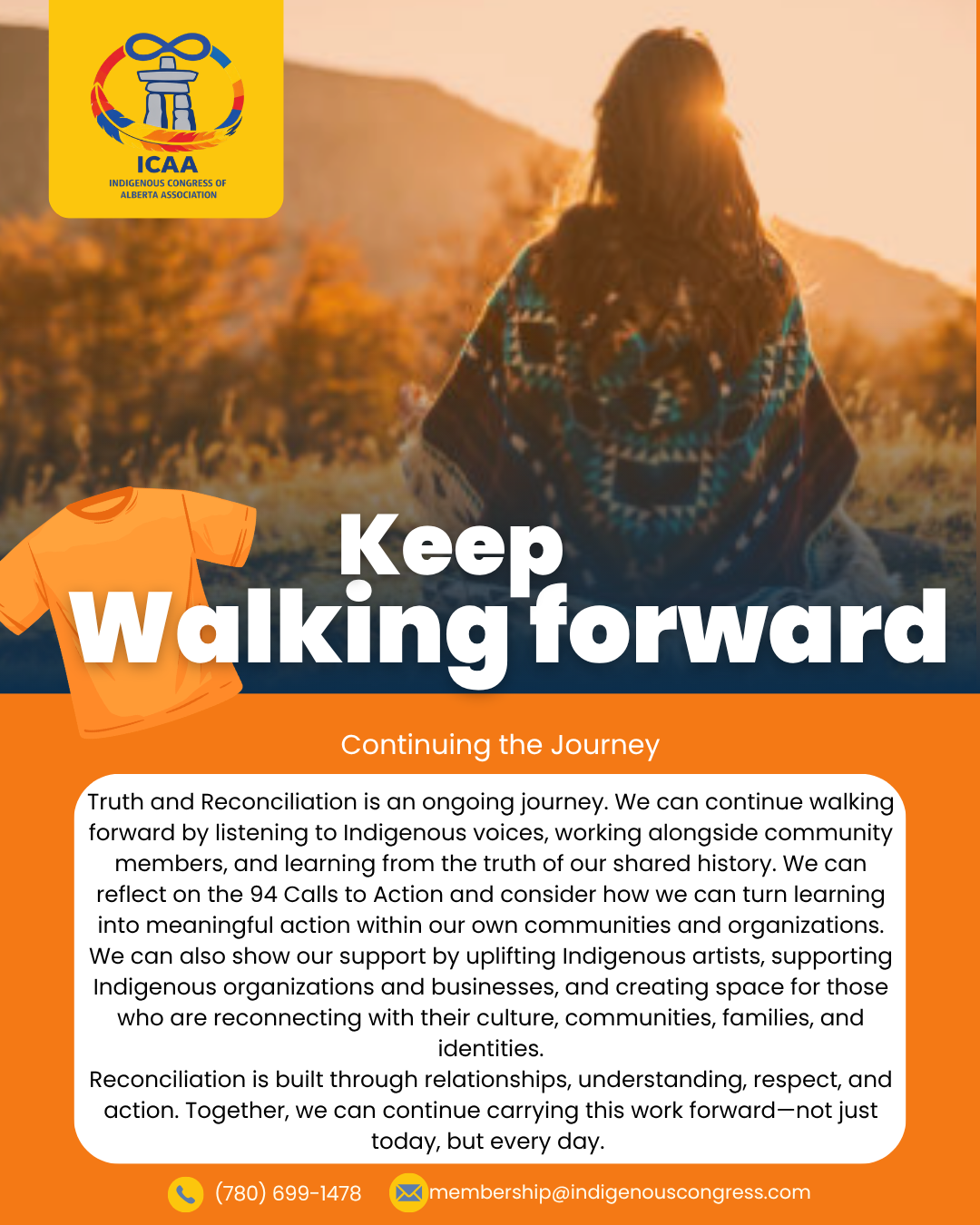
The Truth and Reconciliation Commission of Canada’s 94 Calls to Action provide a path toward addressing these ongoing impacts and strengthening relationships between Indigenous and non-Indigenous Peoples. Reconciliation is not something that happens in a single day. It is an ongoing commitment to listening, learning, building respectful relationships, and taking meaningful action.
For organizations and communities, Truth and Reconciliation creates an opportunity to reflect on how we show up, how we work alongside Indigenous community members, and how we create spaces where Indigenous voices, cultures, histories, and experiences are respected and supported.
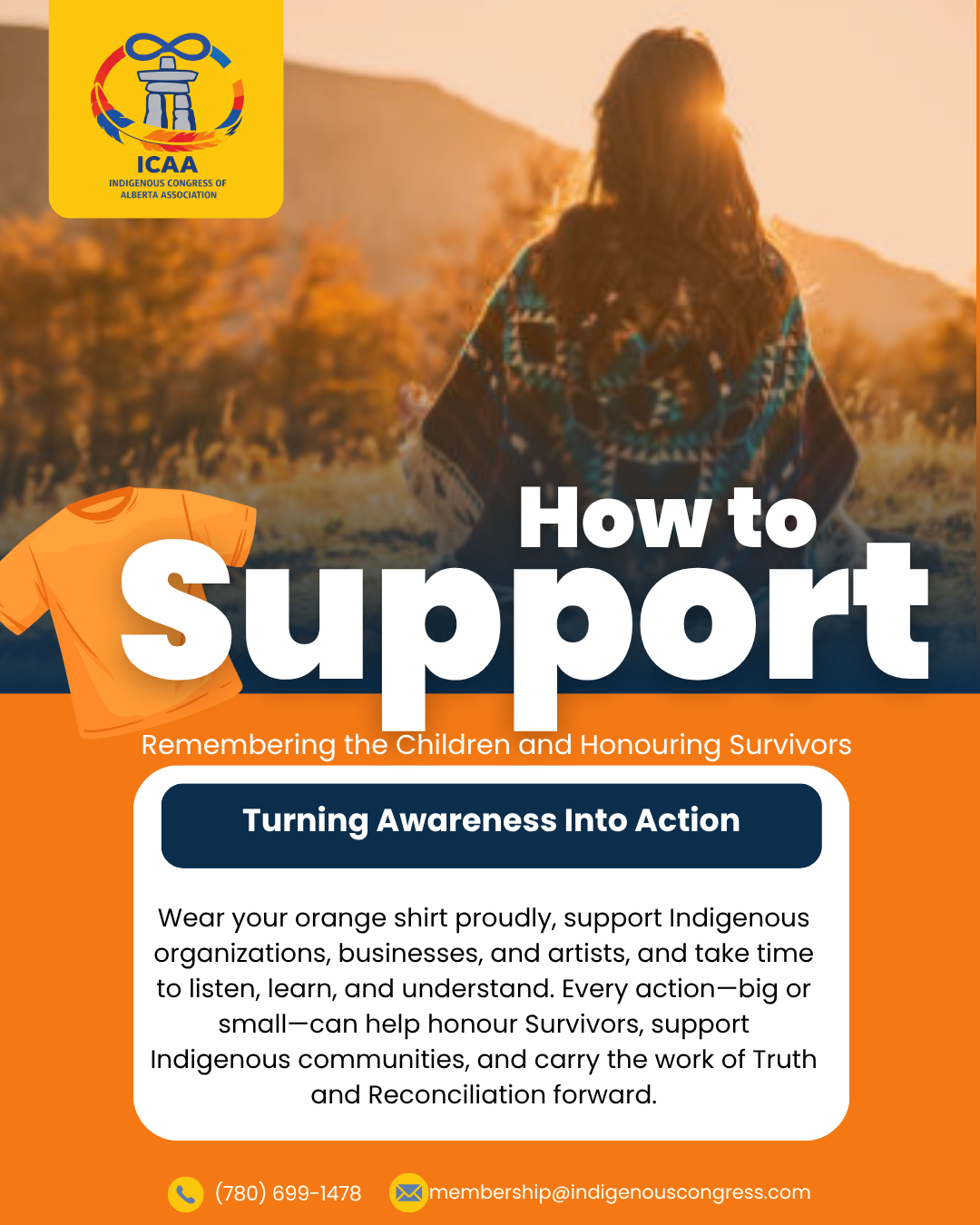
It also means recognizing the importance of culture, connection, family, and community. Supporting Indigenous artists, organizations, Knowledge Keepers, and community-led initiatives can help create opportunities for learning, cultural connection, and belonging.
Truth is the foundation. Reconciliation is the ongoing work. Together, we can continue learning, building relationships, and walking forward with respect, understanding, and meaningful action.